 food.animated
Introduction
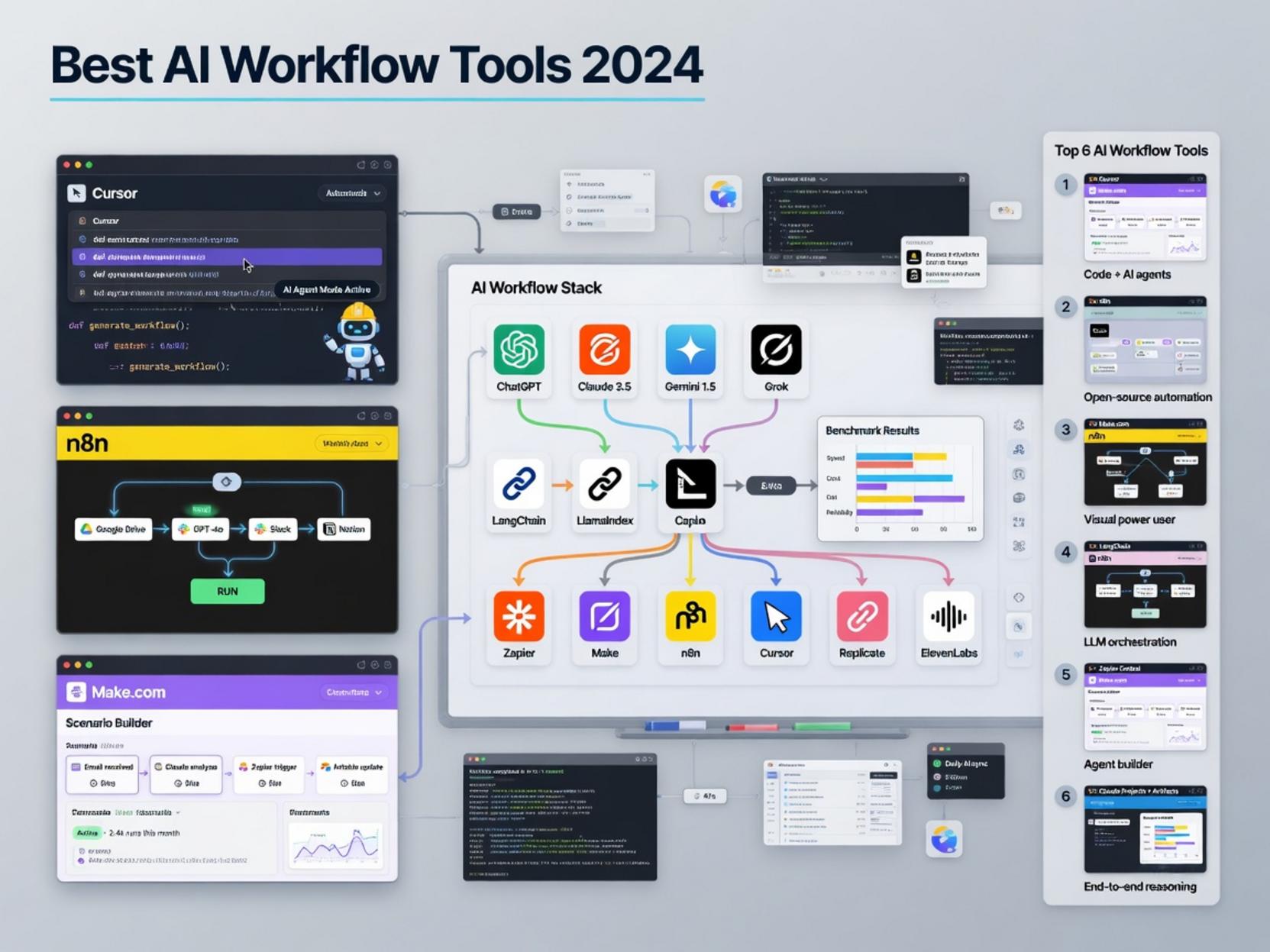
In today’s fast‑moving automation landscape, businesses are constantly searching for robust solutions that can stitch together AI services, data pipelines, and third‑party apps without writing endless code. If you’ve been evaluating options, you’ve probably encountered the phrase Best AI workflow tools in multiple reviews and round‑tables. At the same time, the debate between proprietary platforms and community‑driven projects often centers on n8n vs Zapier AI, open source AI workflow builders. Understanding how these two concepts intersect will help you pick a stack that scales, stays secure, and aligns with your team’s skill set. In this post we’ll walk through a practical, step‑by‑step guide that demonstrates why the open‑source approach can rival—or even surpass—commercial competitors when used correctly.
—
Step‑by‑Step Instructions
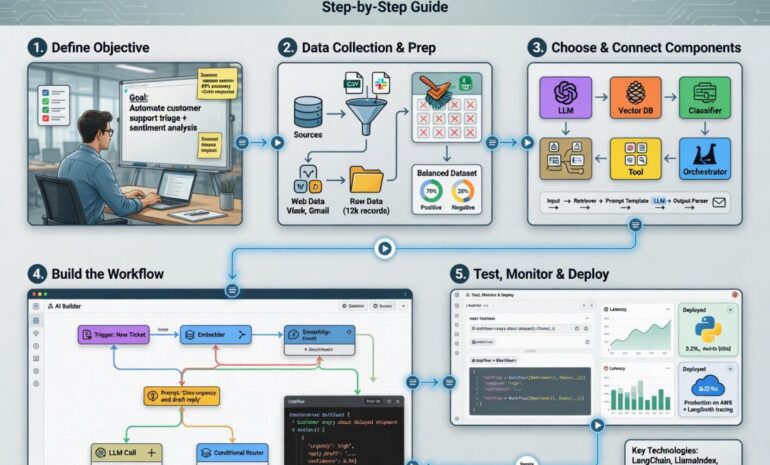
Below is a hands‑on workflow that showcases the power of the Best AI workflow tools while directly comparing the capabilities highlighted in n8n vs Zapier AI, open source AI workflow builders. Follow each step, and you’ll end up with an automated pipeline that:
1. Triggers on a new email – Use the built‑in IMAP node to watch a designated inbox.
2. Extracts key entities – Connect to OpenAI’s GPT‑4 endpoint (or any hosted LLM) via the HTTP Request node, sending the email body for Named‑Entity Recognition.
3. Enriches data – Pipe the extracted entities into a third‑party CRM using the REST API node, creating or updating contact records.
4. Notifies the team – Push a formatted Slack message through the Slack node, summarizing the new or updated lead.
Detailed Walkthrough
| Step | Action | Why It Matters |
|——|——–|—————-|
| 1️⃣ | Add the IMAP Trigger – Set host, port, and folder. Enable “Mark as read” to avoid duplicate runs. | A reliable trigger guarantees that every inbound request is processed exactly once. |
| 2️⃣ | Configure the HTTP Request to OpenAI – Use `POST https://api.openai.com/v1/chat/completions`, pass the email content in the `messages` array, and request a JSON response. | Leveraging a leading LLM delivers high‑quality entity extraction without custom model training. |
| 3️⃣ | Parse the JSON response – Use the “Set” node to map required fields (e.g., `company`, `person`, `date`). | Structured data is essential for downstream CRM updates; the “Set” node offers a clean, visual mapping interface. |
| 4️⃣ | CRM Upsert – Choose the appropriate HTTP method (`PUT` or `PATCH`) based on whether the contact already exists. Include an “If/Else” node to branch logic. | An upsert pattern prevents duplicate records and keeps your database tidy. |
| 5️⃣ | Slack Notification – Craft a markdown message that includes a clickable link back to the original email and the extracted entities. | Real‑time alerts keep sales and support teams in the loop, shortening response times. |
| 6️⃣ | Error Handling – Attach a “Catch Error” node that logs failures to a Google Sheet for later review. | Proactive monitoring avoids silent failures and gives you data to improve the workflow over time. |
By the end of this sequence you’ve built a fully functional AI‑enhanced automation using the Best AI workflow tools, while exhibiting the flexibility that makes n8n vs Zapier AI, open source AI workflow builders a compelling choice for developers who need granular control.
—
Tips for Getting the Most Out of Your Automation
1. Leverage Environment Variables – Store API keys, secrets, and endpoint URLs in n8n’s encrypted credentials store. This keeps your workflow portable across staging and production.
2. Batch Requests When Possible – If you anticipate high email volume, use the “SplitInBatches” node to limit concurrent LLM calls, staying within rate limits and controlling costs.
3. Utilize Community Nodes – The n8n marketplace offers pre‑built integrations for popular AI services (e.g., Anthropic, Cohere). Installing them can shave minutes off your development time.
4. Document versioned workflows – Export the JSON definition after each major change and commit it to a Git repository. This practice mirrors software development best practices and simplifies rollback.
—
Alternative Methods
While the workflow above uses n8n’s visual editor, you might consider these alternatives depending on your constraints:
| Approach | Pros | Cons |
|———-|——|——|
| Zapier with AI add‑ons | Extremely low learning curve; large library of native apps. | Limited to Zapier’s pricing tiers; less transparent error handling; fewer customization knobs. |
| Custom Python script with Airflow | Full code control; ideal for complex data engineering pipelines. | Requires DevOps expertise; UI-less; more overhead for deployment and monitoring. |
| Microsoft Power Automate + Azure Cognitive Services | Tight integration with Microsoft ecosystem; enterprise‑grade security. | Proprietary licensing; can become costly at scale; less community‑driven extensions. |
Each option ultimately aims to achieve the same goal—automating AI‑enhanced processes—but the trade‑offs differ in terms of cost, scalability, and extensibility.
—
Conclusion
Choosing the right automation platform boils down to a balance between usability and flexibility. The hands‑on example demonstrated how the Best AI workflow tools can be assembled in minutes, delivering enterprise‑grade results without locking you into a vendor. At the same time, the comparison highlighted in n8n vs Zapier AI, open source AI workflow builders shows that an open‑source stack not only matches the feature set of commercial rivals but also provides the transparency, extensibility, and cost predictability that modern teams demand. By following the step‑by‑step guide, implementing the practical tips, and weighing alternative methods, you’ll be equipped to build resilient, AI‑powered automations that grow with your business. Happy automating!