 food.animated
Introduction
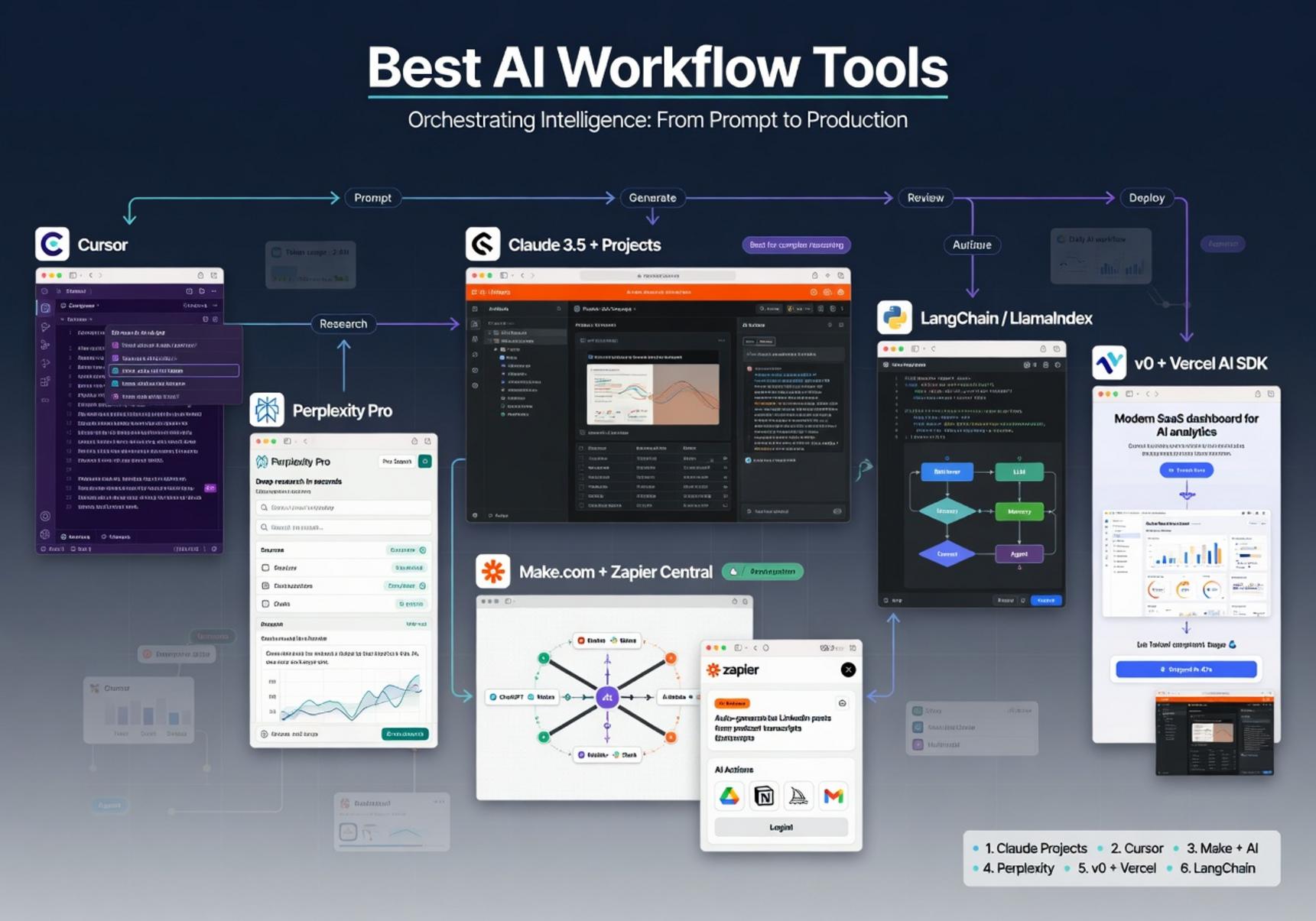
In today’s hyper‑automated landscape, choosing the right automation platform can dramatically accelerate productivity and reduce manual errors. Whether you’re a marketer orchestrating multi‑channel campaigns or a developer integrating complex APIs, the right tool matters. That’s why many teams are turning to Best AI workflow tools to knit together data, trigger actions, and unleash the power of artificial intelligence without writing endless code. At the same time, the debate around n8n vs Zapier AI, open source AI workflow builders is heating up, as businesses weigh the flexibility of open‑source solutions against the convenience of hosted services. In this post, we’ll explore a practical, step‑by‑step workflow that showcases the strengths of both ecosystems, while keeping the discussion grounded in real‑world results and SEO‑friendly semantics.
—
Step‑by‑Step Instructions
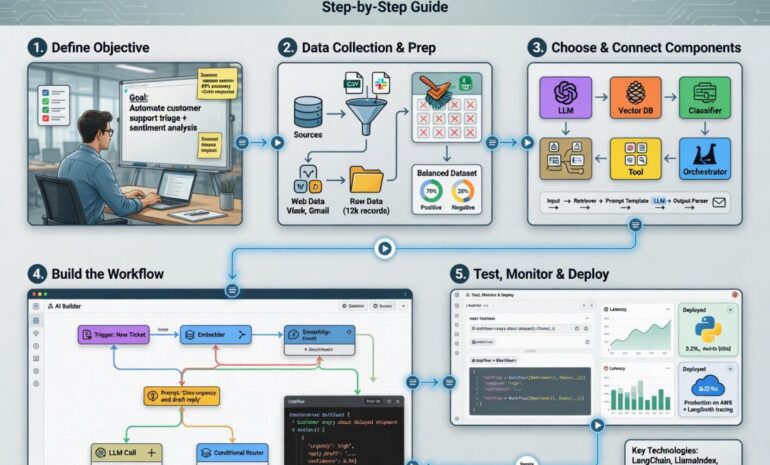
1. Define the use case – Let’s automate a lead‑generation pipeline that pulls new contacts from a web form, enriches them with an AI‑driven profiling service, and then routes qualified leads to a Slack channel for the sales team. This scenario highlights why the Best AI workflow tools are indispensable: they let you chain together HTTP requests, AI models, and messaging platforms with a visual editor.
2. Create the trigger – In n8n, add a “Webhook” node that listens for POST requests from your form provider (e.g., Typeform or Google Forms). Set the response format to JSON so downstream nodes can parse the payload directly.
3. Enrich data with an AI service – Connect the webhook output to an “HTTP Request” node that calls an AI profiling API (such as OpenAI’s ChatGPT or Cohere). Pass the raw lead data as prompt variables, and ask the model to return a confidence score and recommended next steps. This is where the power of n8n vs Zapier AI, open source AI workflow builders shines—n8n’s node architecture lets you fine‑tune headers, authentication, and response handling without hitting rate‑limit walls typical of SaaS‑only platforms.
4. Condition the flow – Insert a “IF” node that checks the confidence score. If the score exceeds 80 %, the lead is considered “high‑quality” and moves forward; otherwise, it’s logged for later review.
5. Notify the team – For high‑quality leads, attach a “Slack” node that posts a rich message to a designated channel, pulling in the AI‑generated summary. Include dynamic fields such as the lead’s name, company, and suggested outreach cadence.
6. Store the record – Finally, add a “Google Sheets” node (or any database of choice) to append the complete lead record, ensuring a permanent audit trail.
By the end of this sequence, you’ll have a fully automated, AI‑enhanced pipeline built with some of the Best AI workflow tools available today, while also seeing firsthand how n8n vs Zapier AI, open source AI workflow builders compare in flexibility and cost.
—
Tips for Maximizing Efficiency
– Leverage built‑in credentials: n8n stores API keys securely, so you don’t need to embed them in each request node.
– Use environment variables: Swap between staging and production endpoints without editing the workflow, a practice that also improves SEO‑related documentation clarity.
– Batch AI calls: If you expect high volume, aggregate leads into a single request to the AI service to reduce latency and cost.
– Monitor performance: Enable the “Execution Logs” panel to track node runtimes; a sudden spike could indicate API throttling that needs attention.
—
Alternative Methods
While n8n offers unmatched extensibility, there are scenarios where a hosted solution like Zapier may be preferable:
– No‑code teams: Zapier’s marketplace provides pre‑built “Zaps” for popular AI services, letting non‑technical users get started in minutes.
– Compliance constraints: If your organization requires a fully managed environment with SOC‑2 certification, Zapier’s enterprise tier can meet those needs without additional infrastructure.
Conversely, other open‑source platforms such as Node-RED or Apache Airflow can handle more complex data pipelines, but they often lack the seamless AI node integrations that n8n provides out‑of‑the‑box.
When evaluating alternatives, keep the same SEO principles in mind: choose a tool that supports clear, semantic naming of tasks, uses descriptive metadata, and generates clean URLs for any public endpoints you expose.
—
Conclusion
Automation is no longer a luxury; it’s a competitive necessity. By harnessing the power of the Best AI workflow tools, you can build intelligent pipelines that react to data in real time, enrich information with cutting‑edge language models, and deliver actionable insights to your team—all while maintaining full control over code and costs. The comparison of n8n vs Zapier AI, open source AI workflow builders underscores that open‑source options deliver unmatched customization and transparency, whereas managed services excel in speed of deployment. Choose the platform that aligns with your organization’s skill set, compliance requirements, and growth trajectory, and you’ll set the stage for a future where AI‑driven automation fuels every business decision.