 food.animated
Introduction
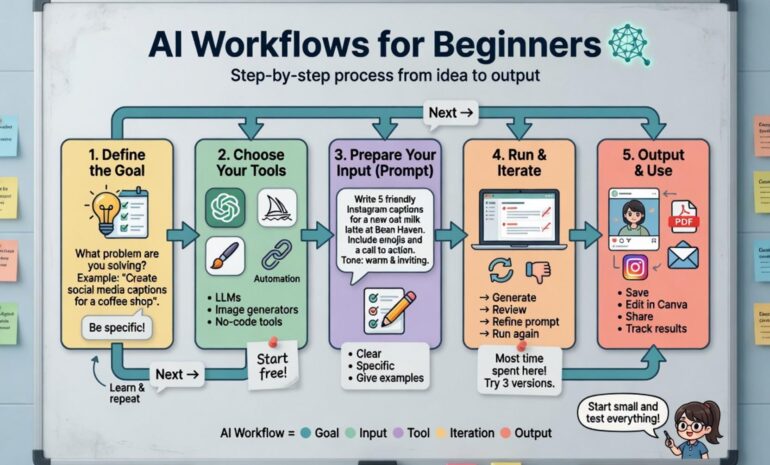
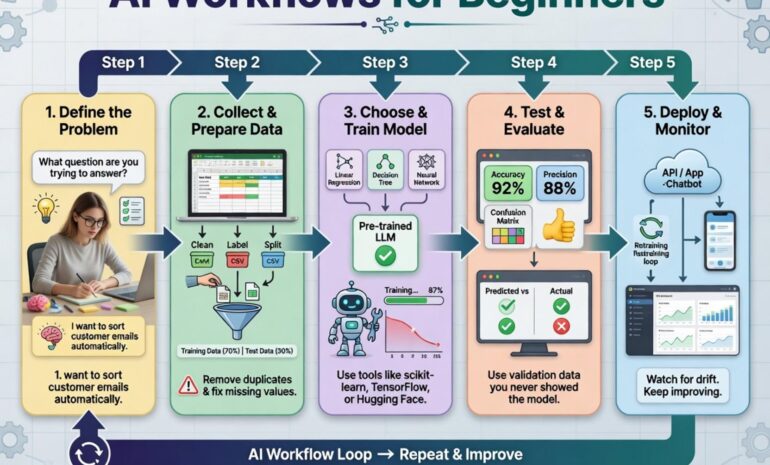
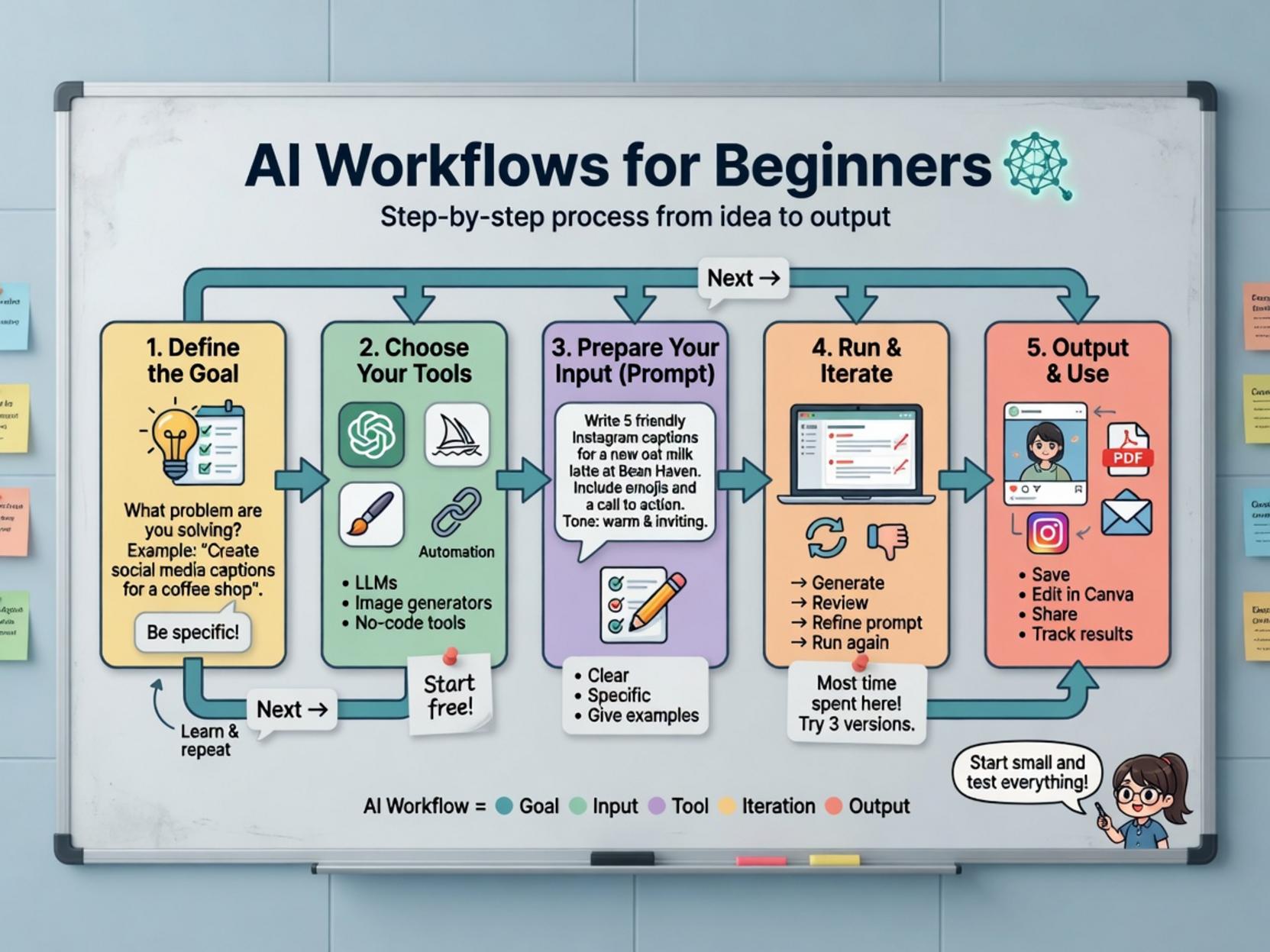
If you’re just dipping your toes into the world of automation, understanding how to string together tasks without writing a single line of code can feel like magic. That’s where AI workflows for beginners come into play. These ready‑made sequences let you automate repetitive actions—such as data collection, content scheduling, or lead nurturing—by simply connecting visual nodes. At the same time, exploring artificial intelligence workflow examples, AI automation basics gives you a solid foundation for scaling those simple automations into robust, data‑driven processes. In this post, we’ll walk through a beginner‑friendly workflow, sprinkle in best‑practice tips, and show you alternative methods so you can start saving time today.
—
Step‑by‑Step Instructions
Below is a practical, copy‑and‑paste‑ready recipe that demonstrates how to build a content‑promotion pipeline using a popular no‑code platform. The steps are deliberately simple, yet they showcase the power of both AI workflows for beginners and the concepts behind artificial intelligence workflow examples, AI automation basics.
1. Trigger – New Blog Post Published
Node: RSS/WordPress trigger. When you publish a post, the workflow fires automatically.
Why it matters: This eliminates manual checks and guarantees every article gets immediate exposure.
2. Extract Key Phrases with AI
Node: OpenAI‑based text‑analysis module. Feed the article’s body and retrieve the top 5 SEO‑friendly key phrases.
Benefit: You instantly gain semantic insights without opening a separate keyword tool.
3. Generate Social Snippets
Node: Prompt‑engine that asks the AI to rewrite each key phrase into a punchy tweet or LinkedIn caption, respecting character limits.
Result: Ready‑to‑post copy appears in the next step, saving hours of copywriting.
4. Schedule Posts Across Platforms
Node: Integration with Buffer or Zapier. Map each generated snippet to the appropriate channel and set a publishing schedule (e.g., immediate for Twitter, 2‑hour delay for LinkedIn).
Automation advantage: No more juggling multiple dashboards; the workflow handles timing and posting.
5. Log Activity in a Google Sheet
Node: Google Sheets “Append Row”. Record the article URL, generated snippets, and posting timestamps.
Analytics edge: You now have a centralized log to measure engagement later.
6. Notify the Team
Node: Slack message node. Send a concise notification—“New post live + social schedule ready”—to a dedicated channel.
Collaboration: Everyone stays aligned without email overload.
By following these six nodes, you’ve built a fully automated content‑distribution engine that exemplifies the core principles of AI workflows for beginners while applying the strategic logic behind artificial intelligence workflow examples, AI automation basics.
—
Tips for Optimizing Your Workflow
– Start Small, Scale Fast – Begin with one trigger (e.g., new post) and one output (social copy). Once you’re comfortable, add more nodes such as sentiment analysis or image generation.
– Leverage Conditional Logic – Use “If/Else” blocks to route content differently based on topic or word count. This keeps the automation relevant for diverse content types.
– Monitor API Usage – Many AI services charge per token. Set a token‑limit filter to avoid unexpected costs, especially in high‑traffic blogs.
– Version Control – Export your workflow JSON after each major change. It lets you revert quickly if a new node breaks the chain.
– Add Human Review – Insert a “Manual Approval” node before publishing to ensure brand voice consistency, especially for regulated industries.
—
Alternative Methods
While the example above relies on a visual automation platform, there are other beginner‑friendly paths:
| Method | Tools | When to Use |
|——–|——-|————-|
| Zapier + OpenAI | Zapier triggers + OpenAI “Chat Completion” | Ideal if you already have a Zapier subscription and need a quick plug‑and‑play solution. |
| Make.com (formerly Integromat) | Scenario builder + built‑in AI modules | Great for visual learners who prefer drag‑and‑drop with extensive data mapping options. |
| WordPress Plugins | “WP AI Content Generator”, “Auto‑Poster” | Best when you want a fully integrated WordPress experience without leaving the dashboard. |
| Python Scripts | `requests`, `openai`, `schedule` libraries | Suitable for developers who want total control and can host the script on a low‑cost VPS. |
Each alternative supports the same underlying concepts: trigger → AI processing → multi‑channel output → logging. Choose the stack that matches your technical comfort level and budget.
—
Conclusion
Mastering automation doesn’t require a Ph.D. in data science—just a clear, repeatable pattern that you can tweak over time. By implementing the step‑by‑step guide above, you’ve taken a solid plunge into AI workflows for beginners while simultaneously reinforcing the strategic mindset behind artificial intelligence workflow examples, AI automation basics. Remember, the true power of automation lies in its ability to free up mental bandwidth, allowing you to focus on creativity and growth. Start small, iterate based on real‑world results, and soon you’ll have a suite of intelligent workflows that run your blog, nurture leads, and amplify your brand—all on autopilot. Happy automating!